
Smoke Damage Public Adjuster is the smoke and fire claim practice of Rise Public Adjusting LLC, licensed by the Texas Department of Insurance (License #3356839). We represent policyholders, not insurance companies, anywhere in Texas. Most of the work on a claim, including policy review, estimate preparation and correspondence with the carrier, happens remotely. We schedule on-site inspections when a claim needs one.
Texas is too large and varied for one description to fit every smoke claim. Coastal humidity, desert wind, pine forest, Hill Country brush and dense urban housing each change how smoke travels and how damage is documented. The regional notes below give a short picture of those differences, and the city pages that follow go into more local detail. For a statewide overview, see Texas smoke damage public adjuster.
Gulf Coast & Southeast Texas
From Corpus Christi through Houston to Beaumont and Port Arthur, the coast combines large metro housing markets with some of the country's biggest refining and petrochemical corridors. Humidity can make smoke odor linger, and firefighting water often turns a smoke claim into a mixed smoke-and-water loss. Coastal marsh and grassland can also burn, sending smoke inland during dry periods.
Dallas–Fort Worth & North Texas
The metroplex holds a wide mix of property: high-rise condos, older bungalows, large apartment communities, new subdivisions, and extensive office, retail and logistics space. On the western and northern edges, development meets the grass and post oak of the Cross Timbers, where the Texas A&M Forest Service has noted elevated wildfire potential in dry winter and spring conditions.
Central Texas
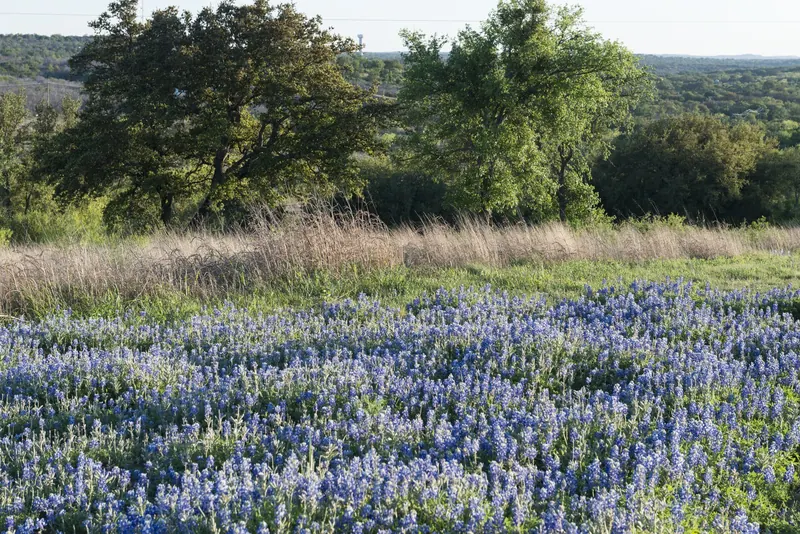
Austin, San Marcos, Round Rock, Georgetown, Waco, Killeen and Temple have grown quickly, pushing homes into the Hill Country and surrounding prairie. The oak, juniper and grass of the Hill Country, and the pine and yaupon of the Lost Pines area near Bastrop, are fuel types the Texas A&M Forest Service associates with significant wildfires. Wildfire smoke claims here are often about fine residue and odor rather than visible fire damage.
South Texas & Rio Grande Valley
San Antonio, Laredo, McAllen, Edinburg, Harlingen and Brownsville include historic neighborhoods, fast-growing suburbs, and substantial retail, warehousing and cross-border commerce. The grass and brush of the South Texas plains can carry large fires, and the region tends to become more fire-prone once grasses cure in winter.
West Texas & Permian Basin
El Paso, Midland and Odessa sit in dry country where strong spring winds can carry smoke and dust long distances. Oil and gas activity in the Permian Basin supports industrial yards, equipment facilities and workforce housing alongside established neighborhoods. Evaporative cooling, stucco exteriors and flat roofs are common features that affect where smoke residue ends up.
Panhandle & South Plains
Amarillo, Lubbock and surrounding communities are surrounded by grassland and farmland, and the Texas A&M Forest Service regularly issues critical fire weather warnings for the Panhandle. Wind-driven grass fires can threaten rural homes, farm and ranch buildings, and the edges of towns, while smoke can travel well beyond the fire itself. Agricultural buildings and equipment can add complexity to a claim.
East Texas
Tyler, Longview and the surrounding piney woods mix small cities, rural homes and timberland. The Texas A&M Forest Service identifies dense pine stands with heavy yaupon underbrush as high-risk fuels that can burn intensely in dry conditions. Older wood-frame homes and properties set among trees are common, and claims often involve both structure and contents.
How we work across the state
Wherever your property is, our role is the same. We review the policy, document the damage, prepare an estimate, help organize the contents inventory, and present and negotiate the claim on your behalf. We are not a restoration contractor, and no result is guaranteed; coverage depends on your policy and the facts of the loss. The smoke damage claim process page explains each step.
Texas cities we serve
Every page below covers local property types and claim considerations for that area. We represent policyholders anywhere in Texas — if your city is not listed, we can still help.
Amarillo
Potter County and Randall County · Texas Panhandle
Arlington
Tarrant County · Dallas–Fort Worth
Austin
Travis County · Central Texas
Beaumont
Jefferson County · Southeast Texas
Brownsville
Cameron County · Rio Grande Valley
Bryan
Brazos County · Brazos Valley
College Station
Brazos County · Brazos Valley
Corpus Christi
Nueces County · Gulf Coast
Dallas
Dallas County · Dallas–Fort Worth & North Texas
Edinburg
Hidalgo County · Rio Grande Valley
El Paso
El Paso County · West Texas
Fort Worth
Tarrant County · Dallas–Fort Worth & North Texas
Frisco
Collin County, Denton County · Dallas–Fort Worth
Galveston
Galveston County · Upper Texas Gulf Coast
Garland
Dallas County · Dallas–Fort Worth
Georgetown
Williamson County · Central Texas
Harlingen
Cameron County · Rio Grande Valley
Houston
Harris County · Gulf Coast
Irving
Dallas County · Dallas–Fort Worth
Katy
Harris County, Fort Bend County, Waller County · Greater Houston
Killeen
Bell County · Central Texas
Laredo
Webb County · South Texas border
Longview
Gregg County · East Texas
Lubbock
Lubbock County · South Plains
McAllen
Hidalgo County · Rio Grande Valley
McKinney
Collin County · Dallas–Fort Worth
Midland
Midland County · Permian Basin
New Braunfels
Comal County, Guadalupe County · Central Texas
Odessa
Ector County · Permian Basin
Pearland
Brazoria County · Greater Houston / Gulf Coast
Plano
Collin County, Denton County · Dallas–Fort Worth
Port Arthur
Jefferson County · Golden Triangle / Southeast Texas
Round Rock
Williamson County, Travis County · Central Texas
San Antonio
Bexar County · South Texas
San Marcos
Hays County, Caldwell County, Guadalupe County · Central Texas
Sugar Land
Fort Bend County · Greater Houston / Gulf Coast
Temple
Bell County · Central Texas
The Woodlands
Montgomery County, Harris County · Greater Houston
Tyler
Smith County · East Texas
Waco
McLennan County · Central Texas