
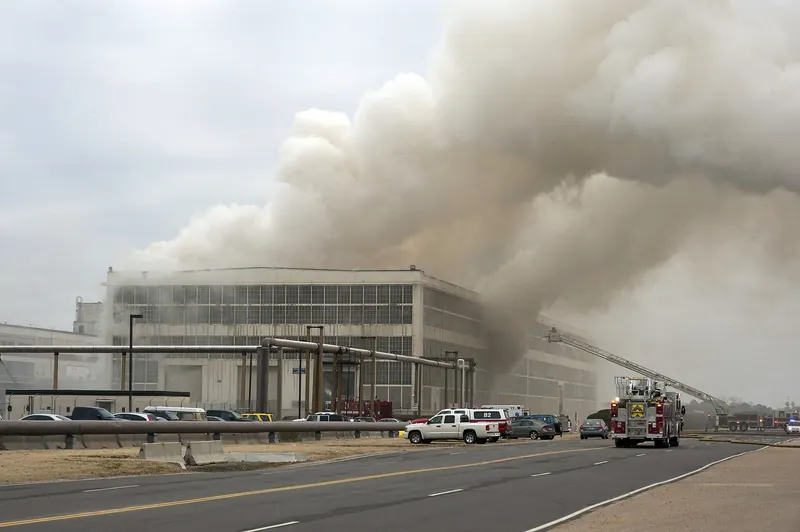
Commercial smoke claims have more moving parts
When smoke damages a commercial property, the loss rarely stops at the walls and ceilings. There may be inventory on the shelves, equipment in the back, tenant improvements in multiple suites, and income that stops while the doors are closed. There may also be a landlord, tenants, a property manager, a lender and more than one insurer.
That is what makes a commercial smoke damage claim different from a residential one. The documentation is larger, the policy forms are more varied, and decisions often involve several people who each need different information.
Smoke Damage Public Adjuster represents Texas policyholders in commercial smoke and fire claims. We are not a restoration or construction company. We review the policy, document the loss, prepare the claim and present it to the insurer with organized supporting information.
Types of commercial properties we work with
Each property type brings its own questions about what was damaged and what the policy provides.
Offices
Suites, shared corridors, furniture, computers, files and the building's HVAC system. Multi-tenant buildings add questions about who carries which coverage.
Retail stores
Stock on the floor and in the back room, fixtures, displays and signage. Smoke-affected merchandise is often a central part of the claim.
Restaurants
Kitchens, hoods, dining areas, food inventory, smallwares and equipment. Many restaurant losses begin in the kitchen and spread through the space.
Warehouses
Stored goods, racking, packaging, equipment and large open volumes where smoke can travel widely.
Multifamily properties
Apartment buildings and complexes with multiple units, common areas and residents who each carry their own policies.
Churches and nonprofits
Sanctuaries, classrooms, fellowship halls, instruments, furnishings and program supplies. Many organizations have limited staff to manage a claim.
HOAs and associations
Common elements, clubhouses and shared buildings covered under a master policy, with unit owners carrying their own coverage.
Property managers
Managers coordinating a claim on behalf of owners, often while also communicating with tenants and residents.
What a commercial smoke damage claim may include
Commercial property policies vary widely. Which of these apply, and under what limits and conditions, depends on the policy and its endorsements.
Building
The structure itself: walls, ceilings, roof, floors, the HVAC system, electrical and plumbing components and permanent fixtures. In multi-tenant properties, the building is typically the owner's responsibility under the owner's policy, but leases can change that.
Smoke often travels through shared HVAC systems and plenum spaces in commercial buildings, which can widen the affected area considerably. See our page on HVAC smoke damage.
Business personal property
Furniture, fixtures, equipment, computers, supplies and other property the business owns and uses. This is the commercial equivalent of contents. The approach to inventory and valuation is similar to what we describe on our smoke damaged contents page, just usually at a larger scale.
Inventory and stock
Merchandise held for sale, raw materials and finished goods. Smoke can affect packaging, labels and products themselves. Inventory claims usually rely on business records: purchase invoices, stock counts, point-of-sale data and cost records.
How inventory is valued depends on the policy. Some forms value stock at cost; some use other measures. Reading the valuation provision before preparing the inventory saves a lot of rework.
Tenant improvements and betterments
Build-outs, finishes, flooring, lighting and other improvements a tenant paid for in a leased space. Whether they fall under the tenant's policy or the landlord's often depends on the lease and the policy language. It is one of the most common points of confusion in commercial claims.
Business interruption and extra expense
Where the policy provides it, business income coverage may address lost income while operations are suspended or reduced because of covered damage. Extra expense coverage may address additional costs incurred to keep operating or to resume sooner.
These coverages have their own definitions, waiting periods, periods of restoration and conditions. We cannot tell you what applies without reviewing the policy. What we can say is that these claims depend heavily on financial documentation.
Documenting business operations and expenses
A business interruption or extra expense claim is built on numbers. The insurer typically needs to understand what the business was earning before the loss, what it would likely have earned without the loss, and what it actually spent because of it.
Financial records that often help
- Profit and loss statements for recent periods
- Sales records and point-of-sale reports
- Tax returns and financial statements, as requested
- Payroll records
- Monthly operating expenses: rent, utilities, loan payments, subscriptions
- Invoices for extra costs such as temporary space, equipment rental or expedited shipping
- Records of which expenses continued during the shutdown and which stopped
- Notes on the dates operations stopped, slowed or resumed
For complex financial claims, the business's accountant may also be involved. We coordinate with them so the records submitted match the claim being presented.
Inventory records
For businesses with stock, an inventory claim is usually supported by:
- Recent physical counts or cycle counts
- Purchase invoices and supplier records
- Point-of-sale or inventory management reports
- Photos and video of affected stock before it is moved or disposed of
- Written findings from qualified restoration professionals on affected goods
For equipment and furnishings, our contents RCV / ACV calculator can help you see how replacement cost and depreciation interact before you review the insurer's figures.
Coordinating multiple stakeholders
Commercial claims often involve more people than residential ones. A single smoke event may affect:
- The building owner, under the owner's commercial property policy
- Tenants, each under their own policy for their improvements, business property and income
- A property manager, coordinating access, vendors and communication
- An association, for common elements under a master policy
- Lenders or mortgagees, who may be named on claim payments
- Restoration and HVAC professionals, providing technical findings
- Accountants, preparing financial records for income claims
Each party has its own interest and often its own insurer. Keeping documentation consistent across all of them matters. Conflicting descriptions of the same damage can slow a claim down.
We represent our client, the policyholder who hires us. When other parties are involved, we communicate clearly with them where appropriate, share information our client authorizes, and work to keep the claim organized and moving.
Leases and governing documents
Leases, management agreements and association documents frequently decide who is responsible for what. Before a commercial claim is presented, we typically review:
- Insurance and casualty provisions in the lease
- Who is responsible for repairing tenant improvements
- Rent abatement provisions after a casualty
- Association declarations and master policy terms, for HOAs and condominiums
Churches, nonprofits and associations
Churches, nonprofits and HOAs often have volunteer boards and limited staff. A smoke claim can be a heavy administrative load on top of everything else they do.
For these organizations, the same principles apply: review the policy, document the full scope, organize the property inventory, and present the claim clearly. Board approval processes and meeting schedules can also affect timing, so it helps to plan decisions around them.
For associations, the line between the master policy and unit owners' policies is a frequent question. We discuss it in more general terms on our residential smoke damage claims page.
How we approach a commercial smoke claim
Smoke Damage Public Adjuster is operated by Rise Public Adjusting LLC, TDI License #3356839. On a commercial claim, our work typically includes:
Policy review
We review the commercial property policy, business income forms, endorsements, schedules and relevant leases or governing documents.
Loss documentation
We document building damage throughout the property, including shared systems and areas away from the fire, and gather findings from qualified professionals.
Property and inventory
We help organize business personal property and inventory records into a format the insurer can review.
Income and expense support
Where the policy provides business interruption or extra expense coverage, we help organize operating records and coordinate with the business's accountant.
Presentation and negotiation
We present the claim with organized supporting information, compare it against the carrier's estimate and request review of items that appear missing or undervalued.
No result is guaranteed. Every claim depends on the policy language and the facts of the loss. You can read more about the overall flow on the smoke damage claim process page. If your claim has been underpaid or delayed, see underpaid smoke damage claims and delayed smoke damage claims.
Frequently asked questions
Does commercial property insurance cover smoke damage?
Many commercial property policies address smoke damage, but coverage depends on the policy form, endorsements, exclusions and the facts of the loss. We review the policy before drawing conclusions.
Is lost income covered after a smoke loss?
Only if the policy includes business income coverage and its conditions are met. These coverages have their own definitions, waiting periods and limits. Reviewing the policy and gathering financial records early helps.
Who covers tenant improvements, the landlord or the tenant?
It depends on the lease and on each party's policy. Leases often assign responsibility for improvements, and policies define what they include. Both should be reviewed.
Our business was closed by smoke from a neighboring unit. Can we file a claim?
You may be able to file with your own insurer, depending on your policy's terms. Smoke from an adjacent space can cause real damage even if your space never burned. Document it promptly.
What records do we need for an inventory claim?
Typically recent counts, purchase invoices, point-of-sale or inventory reports, and photos of affected stock. How the policy values inventory affects which records matter most.
Do you work with property managers and HOA boards?
Yes. We work with the policyholder who hires us, which can be an owner, association, or organization, and communicate with managers and boards as our client authorizes.
Do you handle cleanup or rebuilding?
No. We are public adjusters. We document, prepare, present and negotiate the insurance claim. Restoration and construction are handled by qualified professionals you choose.
Need help with a commercial smoke claim? Contact us for a free review.