
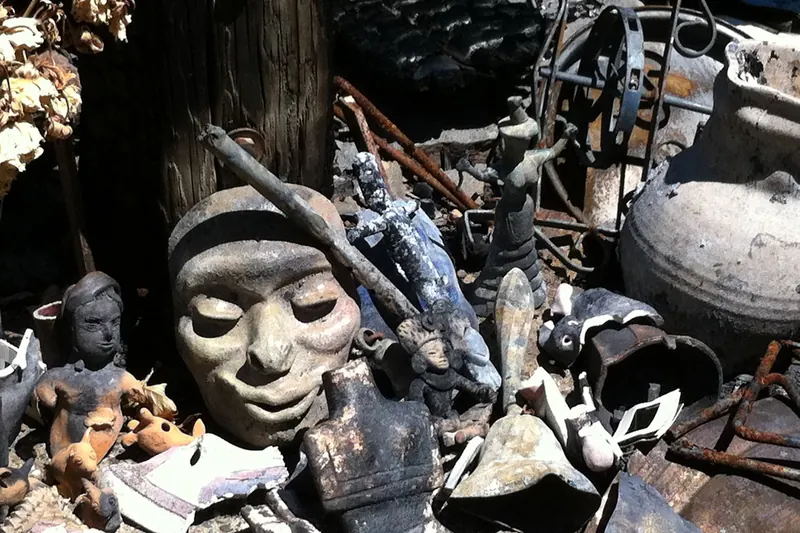
Why contents claims deserve their own attention
After a fire, most people focus on the building: the walls, the ceiling, the roof. That makes sense. But smoke does not stop at the structure. It settles on clothing, furniture, electronics, books and nearly everything else in the space.
The contents portion of a claim covers your personal property, the things you would take with you if you moved. In a smoke loss, that can mean hundreds or thousands of individual items. Each one may need to be identified, described, valued and supported.
That is a lot of work, and it usually lands on the policyholder at a stressful time. It is also where claims most often come up short, not because anyone is acting in bad faith, but because items are forgotten, descriptions are vague, or valuations are not supported.
Smoke Damage Public Adjuster helps Texas policyholders organize and present the contents portion of a smoke damage claim. We do not clean, pack out or restore belongings. We help document what was affected and present it to the insurer in a form it can evaluate.
What counts as smoke damaged contents
"Contents" generally means movable personal property, as opposed to the building itself. Exactly what is included depends on the policy. Smoke can affect property in several ways: visible residue, discoloration, odor that remains in porous materials, and exposure to heat or corrosive byproducts.
Some items can be cleaned. Some cannot. Whether a particular item is cleaned or replaced is often a point of discussion, and the answer usually depends on the material, the type of residue, professional findings and the policy's terms.
Categories of property to review
It helps to go through the property category by category, so nothing gets skipped. These are the groups that come up most often.
Furniture
Upholstered sofas, chairs, mattresses and headboards, plus wood and laminate pieces. Fabric and foam can hold odor; finished surfaces may show residue.
Electronics
TVs, computers, gaming systems, audio equipment, phones and chargers. Residue can settle inside housings, so model and serial numbers matter.
Appliances
Small kitchen appliances and larger freestanding units. Note brand, model and age wherever you can find a label.
Clothing
Everyday wear, outerwear, shoes, uniforms, specialty garments. Closets are often affected even when the doors were shut.
Linens and bedding
Sheets, blankets, towels, pillows, comforters and curtains. Soft goods are easy to overlook and add up quickly.
Books and papers
Books, albums, magazines, sheet music and paper records. Paper absorbs odor and can discolor.
Artwork and décor
Framed art, prints, mirrors, rugs, lamps and decorative items. Higher-value pieces may need separate appraisal documentation.
Collectibles
Coins, figurines, memorabilia, trading cards and similar items. Condition and provenance records matter here.
Kitchenware
Dishes, cookware, utensils, small tools, pantry storage and open food. Cabinets near a kitchen fire are frequently affected.
Children's items
Toys, car seats, cribs, strollers, books and clothing. Families often underestimate how much is in this category.
Office equipment
Home office furniture, printers, monitors, shredders and supplies. Business-use items may be treated differently under some policies.
Business inventory
For businesses, stock on hand and materials. See our commercial smoke damage claims page.
Tools and equipment
Hand tools, power tools, lawn equipment and workshop items in a garage or shed.
Stored property
Items in attics, closets, garages and storage bins. Out-of-sight property is the most commonly forgotten.
If the HVAC system was running during or after the fire, smoke may have reached rooms far from the fire itself. That can widen the contents scope significantly. Our HVAC smoke damage page explains why.
How to build a contents inventory
A contents inventory is a list of each affected item, with enough detail for someone else to understand what it was and what it would cost to replace. The insurer typically needs this to evaluate the contents portion of the claim.
Go room by room. Within each room, go category by category. Open every drawer, cabinet and closet. It is slow, but it is the most reliable way to avoid missing items.
What to record for each item
For every item, try to capture the following. You will not have every piece of information for every item. Record what you can.
- Quantity. "Dress shirts, 12" is more useful than "shirts."
- Description. What it is, material, size, color, any distinguishing details.
- Brand and model. Check labels, tags, serial plates and the bottom or back of items.
- Age. Approximate year purchased, or how many years you have had it.
- Condition before the loss. New, good, fair, worn. Be honest; it affects valuation.
- Original cost, where available. What you paid, if you know or can find it.
- Replacement cost. What a comparable new item costs today.
- Location. Which room and where in the room.
Where to find supporting information
Most people do not have receipts for everything, and that is normal. Proof of ownership and value can come from many sources:
- Receipts, paper or emailed
- Photos and videos taken before the fire, including holiday and event photos where items appear in the background
- Credit card and bank statements, which can confirm purchase dates and amounts
- Online purchase history from retailers and marketplace accounts
- Warranty registrations, manuals and product boxes
- Appraisals for jewelry, art or collectibles
- Photos and videos taken after the fire, showing items in place before they are moved
Replacement research
For each item, the replacement cost is usually based on what a comparable item of like kind and quality costs today. That often means looking up current prices for the same or a similar model.
Keep track of where each price came from: the retailer, the product link, and the date you checked. If the exact model is no longer sold, note the closest comparable item and why it is comparable. Supported pricing is much easier for an insurer to review than a number with no source.
Sample contents inventory format
The table below shows the kind of column headings that make an inventory easy to review. The rows are a formatting example only. They are not real claim values or pricing guidance.
| Room | Item description | Qty | Brand / model | Age (yrs) | Condition | Original cost | Replacement cost (source) | Notes / photo ref |
|---|---|---|---|---|---|---|---|---|
| Living room | Upholstered 3-seat sofa, gray fabric | 1 | [Brand] / [Model] | [#] | Good | [$ if known] | [$] (retailer, date checked) | Photo 014, residue on cushions |
| Primary closet | Men's dress shirts, cotton | 12 | [Brand] | [#] | Good | Unknown | [$ each] (retailer, date checked) | Photo 052, odor noted |
| Kitchen | Stand mixer | 1 | [Brand] / [Model] | [#] | Fair | [$] (card statement) | [$] (retailer, date checked) | Photo 088, residue inside housing |
A spreadsheet works well for this. Add a column for a photo reference so each line can be matched to a picture. Keep a separate folder of receipts and statements, labeled to match the inventory.
Understanding RCV, ACV and depreciation
Contents valuation is where many policyholders get confused, and the terms can sound more complicated than they are. Here they are in plain language. Keep in mind that your policy governs how valuation actually works in your claim. Policies differ, and the definitions and conditions in yours control.
Replacement cost value (RCV)
Replacement cost value is generally what it would cost to replace an item with a new one of like kind and quality at today's prices. If your ten-year-old television was destroyed, RCV is roughly what a comparable new television costs now.
Actual cash value (ACV)
Actual cash value is generally the replacement cost minus depreciation. It is meant to reflect the value of the item in its used condition at the time of the loss. How a policy defines ACV, and how it is calculated, can vary.
Depreciation
Depreciation is the reduction in value an insurer applies to account for age, wear and condition. It is usually expressed as a percentage based on the item's age and an expected useful life. Different items depreciate differently: a sofa and a laptop are not treated the same way.
Depreciation is also one of the most common areas of discussion in a contents claim. The age assigned, the useful life used and the condition noted all affect the result. Accurate age and condition information in your inventory helps make sure depreciation is applied to the right facts.
Recoverable depreciation
Many replacement cost policies pay the ACV first. The difference between ACV and RCV, the depreciation that was held back, may then be recoverable once you actually replace the item and submit proof, subject to the policy's conditions and any time limits it sets.
Not every policy works this way. Some policies are ACV-only, meaning depreciation is not recoverable. Some have specific conditions about when and how you must replace items. Read your policy's loss settlement section, or have someone review it with you.
To see how these numbers interact for your own items, try our contents RCV / ACV calculator. You can enter a replacement cost, age and useful life and see an illustrative ACV and depreciation amount.
Why these numbers matter together
Here is the practical takeaway. The final contents figure depends on three things: whether each affected item was listed, whether its replacement cost is supported, and whether depreciation was applied using accurate age and condition. A gap in any of the three can change the outcome.
The contents RCV / ACV calculator is a good way to check whether the depreciation on a carrier's contents list looks reasonable given the ages and conditions you know to be accurate.
Electronics, appliances and office equipment
Electronics deserve a short note of their own. Residue can settle inside housings and on circuit boards where it is not visible from the outside. Whether a device is affected, and whether cleaning is appropriate, is a technical question.
From a claim standpoint, what helps is:
- Recording brand, model and serial number for each device
- Noting whether the device was powered on during or after the fire
- Keeping any written findings from a qualified electronics or restoration professional
We do not evaluate electronics ourselves. We make sure professional findings are part of the claim file and that the inventory reflects them.
Clean or replace: how that discussion usually goes
In a smoke claim, insurers often propose cleaning items rather than replacing them. For some items, cleaning may be appropriate. For others, particularly porous materials or items with residue that cannot be removed, replacement may be supported.
The discussion usually turns on:
- The material and construction of the item
- The type and extent of residue or odor
- Written findings or results from qualified restoration professionals
- Whether the item was cleaned and odor or residue remained afterward
- What the policy says about repair, replacement and loss settlement
If items were cleaned and still show residue or carry odor, document that with photos and notes. That information can be relevant to whether replacement is supported. For more on odor, see smoke odor claims.
Common gaps in contents claims
These are the patterns we look for when we review a contents claim:
- Missing rooms or spaces. Attics, garages, closets and storage areas left off the list.
- Grouped items. "Kitchen items" as a single line instead of a detailed list.
- Low or unsupported pricing. Replacement costs that do not match comparable current items.
- Incorrect ages. Items listed as older than they are, increasing depreciation.
- Condition assumptions. Items marked "poor" without basis.
- Items marked cleanable without support. Porous items where cleaning may not be effective.
- Sub-limit confusion. Categories that may have special limits, not reviewed against the policy.
Each of these is a documentation question. None of them is fixed by argument alone; they are addressed by supported information. Our page on underpaid smoke damage claims covers related issues on the structure side.
How a public adjuster helps with contents
Smoke Damage Public Adjuster is operated by Rise Public Adjusting LLC, TDI License #3356839. On the contents side of a claim, our work typically includes:
- Reviewing the policy's contents coverage, valuation terms and sub-limits
- Helping organize a room-by-room inventory
- Researching and documenting replacement pricing
- Comparing the insurer's contents list against the inventory line by line
- Using appropriate findings from restoration professionals
- Presenting the contents claim with organized supporting information and requesting review of items in question
We cannot promise any particular outcome. Every claim depends on the policy and the facts. What we can do is help make sure the contents claim is complete, organized and supported.
For the full picture of how a claim moves from start to finish, see the smoke damage claim process. You can also estimate values item by item with the contents RCV / ACV calculator before you talk with us.
Frequently asked questions
What if I don't have receipts for my belongings?
Most people don't, and that is not unusual. Photos, videos, credit card statements, online order history, product manuals and warranty records can all help show ownership and value. Document what you can and note the source for each item.
Does my policy pay replacement cost or actual cash value for contents?
It depends on your policy. Some policies provide replacement cost coverage for contents, some provide actual cash value, and many have conditions that apply. Check the declarations page and loss settlement section, or have someone review it with you.
What is recoverable depreciation?
Under many replacement cost policies, the insurer pays actual cash value first and holds back depreciation. That held-back amount may be recoverable after you replace the item and submit proof, subject to the policy's conditions. Our RCV / ACV calculator shows how the numbers relate.
Should I throw away smoke damaged items?
Photograph and document items before anything is discarded, and check with your insurer about any items it wants to inspect. Disposing of property before it is documented can make that part of the claim harder to support.
Can the insurer decide to clean my items instead of replacing them?
Insurers often propose cleaning for some items. Whether cleaning or replacement is appropriate usually depends on the material, the residue, professional findings and your policy's terms. If cleaned items still show residue or odor, document that.
How detailed does my contents inventory need to be?
Detailed enough that someone who has never seen the item could identify it and price a comparable replacement. Quantity, description, brand, model, age, condition and replacement price are the core fields.
Are there limits on certain types of property?
Many policies have special limits for specific categories. Which categories and what limits apply depends on your policy, so it is worth reviewing before you finalize the inventory.
Do you pack out or clean contents?
No. We are public adjusters, not a restoration company. We help document, value and present the contents portion of your claim.
Ready to talk about your smoke damaged contents? Contact us for a free claim review.