
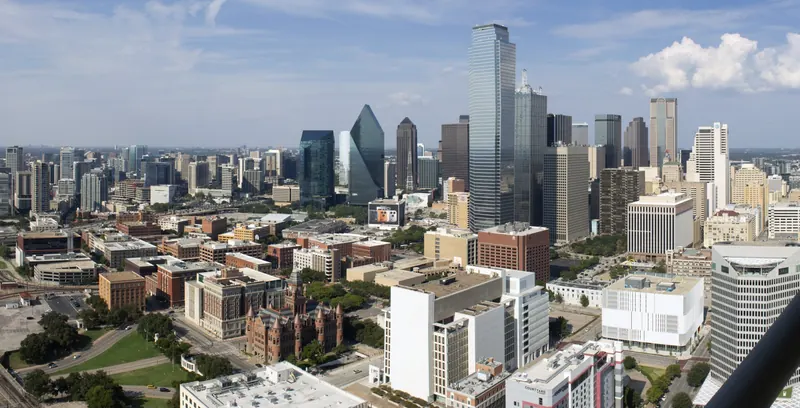
Dallas property ranges from downtown and Uptown towers to Lakewood and Oak Cliff bungalows, mid-century ranch homes in North Dallas, and a steady supply of newer apartment and townhome construction. Add the office parks, retail centers and distribution buildings that fill the metro, and a single smoke event can touch very different kinds of property and insurance policies.
We are a Smoke Damage Public Adjuster in Dallas, Texas in the sense that we represent Dallas policyholders; we do not maintain an office or staff in the city. Rise Public Adjusting LLC is licensed by the Texas Department of Insurance (License #3356839) and works with clients across the state, remotely and in person when an inspection is needed. We do not do cleaning, restoration or repairs. Our work is documenting, preparing, presenting and negotiating the claim on your behalf.
What kind of property is involved?
The type of building changes which questions come up first.
Single-family homes
Older Dallas homes can have plaster walls, original wood floors and built-ins that hold odor and are hard to match. Newer homes often have open floor plans that let smoke spread through the whole living area.
High-rise and mid-rise condos
Smoke can travel through corridors, elevator shafts and shared ventilation. Claims may involve both the association's master policy and the owner's unit policy.
Apartment communities
A fire in one unit can affect neighboring units, shared attics and common areas. Owners, managers and renters may each have separate policies to consider.
Offices, retail and warehouses
Commercial claims often include inventory, equipment, tenant improvements and business income, and commercial leases can shift who insures what.
Fire and smoke conditions in North Texas
Dallas is urban at its core, but the region around it is not. The Texas A&M Forest Service describes a dormant wildfire season during winter and spring, when fires burn in freeze-cured grasses and are pushed by stronger winds behind dry cold fronts. It has identified the Cross Timbers, which extend west of the Dallas–Fort Worth area, as a region where heavy grass loads can create elevated wildfire potential.
For Dallas homeowners, that most often means grass fires on undeveloped land near the edges of the metro, and occasional smoke drifting into neighborhoods. Wildfire smoke claims are usually quite different from structure fire claims. The residue can be fine and widespread rather than heavy and concentrated, and the connection between the smoke and a particular event often needs to be documented carefully.
Structure fires, of course, happen everywhere. In dense multifamily and commercial buildings, the practical challenge is tracing where smoke went. Ceiling plenums, shared ductwork and stairwells can carry residue far from the room where a fire started. That is where a careful, room-by-room inspection earns its keep.
Local claim considerations
Condo and HOA questions
Dallas has a large number of condominium and townhome communities. After a fire, owners often ask where the association's responsibility ends and their own begins. The answer usually lies in the association's governing documents and the wording of both policies. We can help you read the policies side by side so the claim is directed to the right place.
Odor that will not go away
Smoke odor can remain in insulation, wall cavities and HVAC systems long after surfaces look clean. Our smoke odor claims page explains how persistent odor is typically documented and discussed with the carrier.
Commercial leases
Many Dallas businesses lease their space. A lease may make the tenant responsible for insuring improvements, equipment, or inventory, while the landlord insures the building shell. Knowing that split early avoids confusion.
How a public adjuster fits into a Dallas claim
A Smoke Damage Public Adjuster is licensed to represent the policyholder. In practice, our role on a Dallas claim includes:
- Reviewing your policy and any endorsements that affect smoke, contents or living expenses
- Inspecting and photographing the damage, including areas away from the fire
- Preparing a detailed estimate and helping build a contents inventory
- Comparing the carrier's estimate with the documented scope
- Presenting the claim and handling follow-up requests
If you are earlier in the process, the smoke damage claim process page covers each stage. If the claim has been denied or paid for less than the documented damage appears to support, see denied and underpaid smoke damage claims. No outcome is guaranteed, and coverage always depends on the policy and the facts.
Communities around Dallas
Along with the city itself, we work with policyholders in Irving, Garland, Richardson, Mesquite, Grand Prairie, Carrollton, Farmers Branch, DeSoto and Plano, and throughout Dallas, Collin, Denton, Rockwall and Ellis counties. Nearby cities with their own pages include Irving, Garland and Plano.
Is there a local Dallas office I can visit?
No. We represent policyholders throughout Texas without local offices. Most communication is by phone and email, and we schedule on-site inspections when a claim needs one.
A fire in my condo building damaged my unit. Do I file with the HOA or my own insurer?
It may be both. The association's master policy and your unit-owner policy each cover different things, and the dividing line is set by the governing documents and policy language. We can help you sort out which policy addresses which part of the loss.
Grass fire smoke came into my home. Is that a claim?
It may be, depending on your policy and what can be documented at your property. Wildfire and grass fire smoke often leaves fine residue and odor rather than obvious damage, so dated photos and notes are useful.
Can you help a Dallas business with a smoke claim?
Yes. We work with owners and tenants of office, retail, restaurant and warehouse property. Commercial claims often include building, contents, equipment and business income, and each needs its own supporting documentation.
How do I know if I need a public adjuster?
Many claims are handled directly between the policyholder and the insurer. People tend to look for help when the damage is extensive, the paperwork is overwhelming, or they disagree with the carrier's estimate. A free review can help you decide.