
Galveston is used to thinking about wind and water. After the 1900 hurricane, the city built its seawall and raised its grade, and coastal property owners today often carry separate windstorm and flood policies. Fire gets less attention, but it has its own history here: the Galveston and Texas History Center describes the Great Fire of November 13, 1885, which burned hundreds of homes across 40 city blocks.
Today, smoke claims on the island usually start with something much smaller: a kitchen fire in a raised beach house, an electrical fire in a Victorian home, or smoke from a neighboring unit in a condominium or a building on The Strand. Smoke Damage Public Adjuster, the smoke and fire claim practice of Rise Public Adjusting LLC (Texas Department of Insurance License #3356839), represents policyholders across Galveston Island and Galveston County. We work remotely and schedule on-site inspections as needed. We do not have an office or local staff in Galveston.
Which policy handles a fire on the coast?
This is the first question many Galveston owners ask, and it deserves a clear explanation.
The Texas Department of Insurance explains that along the coast, homeowners insurance might not cover wind and hail damage, so owners buy a separate windstorm policy. The Texas Windstorm Insurance Association (TWIA) provides wind and hail coverage in designated coastal areas, including Galveston County, for property owners who cannot get it in the regular market.
In practice, that often means a coastal home has:
- A homeowners or property policy that may exclude wind and hail but addresses perils such as fire and smoke
- A windstorm policy, from TWIA or a private insurer, for wind and hail
- A flood policy for rising water and storm surge
For a smoke or fire loss, the claim usually runs through the homeowners or commercial property policy rather than the windstorm or flood policy. Every policy is different, so the declarations and forms should be reviewed to confirm which one applies and how.
Galveston property and smoke
Raised and coastal homes
Many homes on the island's West End and in communities like Jamaica Beach sit on pilings, with living space above open or enclosed ground-level areas. Smoke from a fire on one level can move up stairwells and through ductwork that may run through exposed or enclosed spaces below the home. Coastal air and humidity can also affect how residue and odor behave after a fire.
Historic homes and commercial buildings
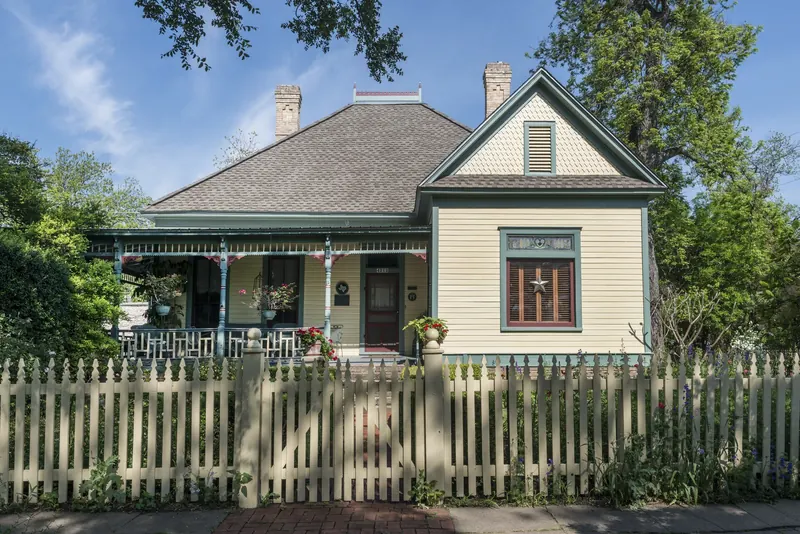
The Handbook of Texas describes The Strand's restored Victorian buildings and the work of architect Nicholas J. Clayton, along with the Galveston Historical Foundation's preservation efforts. Older buildings with plaster, detailed millwork, brick and original floors raise specific claim questions: whether materials can be cleaned, what it takes to match them, and how the estimate prices that work.
Short-term and seasonal rentals
Galveston has many vacation rentals and second homes. A rental property may be insured under a landlord or dwelling policy rather than a standard homeowners policy, and short-term rental use can affect coverage. Loss of rental income may also be part of the claim depending on the policy.
Condominiums
In a condominium, the association's master policy and each owner's individual policy usually cover different parts of the building and its contents. Smoke from one unit can affect hallways, shared systems and neighboring units, so knowing where the master policy ends and the unit owner's coverage begins matters.
Port, medical and tourism businesses
The Handbook of Texas notes that the island's economy relies on maritime trade, tourism and the University of Texas Medical Branch. Restaurants, hotels, shops and service businesses face commercial smoke claims involving inventory, equipment and lost income. See commercial smoke damage claims.
Local claim considerations
- Documentation before cleanup. Photograph every level of a raised home, including stairwells, ground-level enclosures and attic spaces, before anything is cleaned.
- Humidity and odor. Odor can linger or return in humid conditions, especially in soft goods and porous materials. Our smoke odor claims page explains how odor is typically documented.
- Prior storm repairs. If a home was repaired after an earlier storm, keep those records. They can help show the condition of the property before the fire.
- Rental and vacancy provisions. Second homes that sit empty for part of the year may be subject to vacancy or unoccupancy provisions. Read the exact wording.
- Contents. Beach houses often include furnishings, linens and electronics supplied for guests. A clear inventory helps. See smoke-damaged contents.
How we help
We do not clean, remediate or rebuild. As your Smoke Damage Public Adjuster, we review your policies, document smoke, soot and odor throughout the property, prepare a detailed scope and contents list, compare the carrier's estimate against the documented damage, and present and negotiate the claim with the insurance company.
Homeowners can start with residential smoke damage claims. For how a claim typically moves from start to finish, see the smoke damage claim process.
Serving the island and the mainland
We work with policyholders in Galveston, Jamaica Beach, Tiki Island, Bolivar Peninsula, Texas City, La Marque, Hitchcock, League City and Friendswood. We also serve the greater Houston area, including Pearland.
Does my TWIA policy cover fire or smoke damage?
TWIA provides windstorm and hail coverage. Fire and smoke losses are generally addressed under your homeowners or commercial property policy instead. Review both policies, or have us review them, to confirm which applies to your loss.
I own a vacation rental on the West End. Is a smoke claim handled like a regular homeowners claim?
Not always. Rental properties are often insured under landlord or dwelling policies, which can differ from homeowners policies in how they treat contents and lost rent. The specific policy language controls.
My condo filled with smoke from another unit. Who handles the claim?
Usually the association's master policy addresses common elements and parts of the building, while your own unit-owner policy addresses your contents and certain interior items. The governing documents and both policies decide the details.
Can you help with a historic home on the island?
Yes. Historic homes often involve materials and finishes that are difficult to match. We document those details so the estimate can reflect them.
Do you have an office in Galveston?
No. We serve Galveston County remotely and arrange on-site inspections when a property visit is needed.
Nearby communities we serve
- Jamaica Beach
- Tiki Island
- Texas City
- La Marque
- Hitchcock
- League City
- Bolivar Peninsula
- Friendswood