
After a fire, most people have never filed a large property claim before. The process can feel unclear: who inspects what, which documents matter, and how the insurance company decides what to pay.
As a licensed public adjuster, Smoke Damage Public Adjuster works for the policyholder. Our job is to understand the loss, document it thoroughly, and present it to the carrier in an organized way. This page explains how the smoke damage claim process works when we are involved.
The six steps
Every claim is different, but most follow this general path. Some steps overlap, and a claim that is already underway may start in the middle.
Initial Claim Review
We talk with you about what happened, where the claim stands, and what you have received from the carrier so far. This is where we learn whether a claim has been filed, whether an inspection has happened, and what questions you have. There is no cost for this review.
Property Inspection
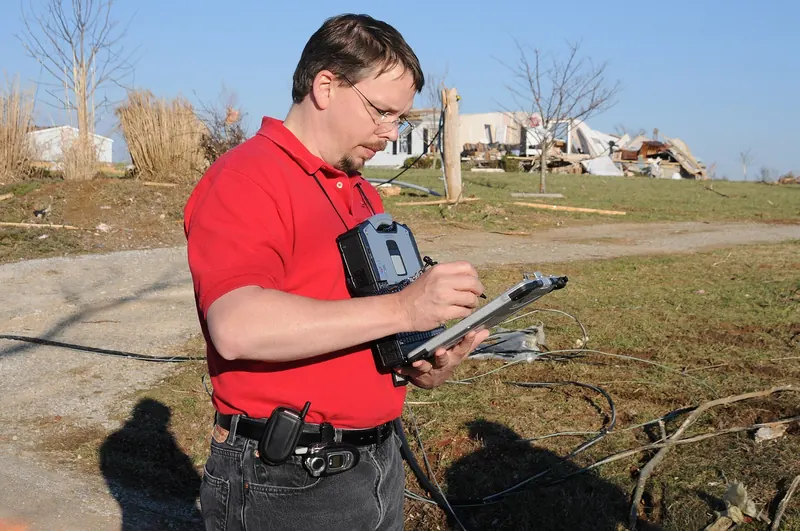
We inspect the property and document observable smoke, soot, fire, contents, and related damage. That includes rooms away from the fire, closets, attic areas, HVAC registers, and personal property. Photos and notes are taken room by room.
Policy & Claim File Review
We review your policy documents, the carrier's estimates, correspondence, inspection and consultant reports, invoices, and any inventories already prepared. The goal is to understand what the policy says and what the carrier has and has not included.
Damage Documentation
We organize photos, room-by-room conditions, contents, estimates, invoices, and scopes into a clear record of the loss. Contents inventories are often the largest part of this work on a smoke claim.
Claim Presentation
We prepare a documented claim position based on the available facts and the policy provisions. It lays out what was damaged, how it is documented, and why it is being presented the way it is.
Carrier Communication
We communicate and negotiate with the insurer on your behalf, respond to requests for information, attend re-inspections, and follow up in writing. We keep you informed as the claim moves forward.
What we document on a smoke damage claim
Smoke damage is often broader than it looks from the doorway. During the inspection and documentation steps, we look at:
- Structure: walls, ceilings, trim, cabinets, doors, flooring, windows, and fixtures in every affected area
- Soot and residue: visible deposits, discoloration, and residue on surfaces. See soot damage claims.
- Odor: which rooms and materials retain smoke odor. See smoke odor claims.
- HVAC systems: registers, returns, and accessible components. See HVAC smoke damage.
- Attic areas: insulation and framing where accessible
- Contents: furniture, clothing, electronics, soft goods, and stored items. See smoke-damaged contents.
- Additional expenses: temporary housing or business interruption costs where the policy provides for them
Tools like our smoke damage scope calculator and contents RCV / ACV calculator can help you think through the scope before we meet.
What we need from you
You don't need to have everything organized before calling. It does help to gather what you can:
Helpful documents and information
- Your full insurance policy, including declarations and endorsements
- Claim number and carrier adjuster contact information
- Any estimates, letters, or emails from the carrier
- Photos and video taken after the fire, especially before cleaning
- Fire department report or incident number, if available
- Receipts for emergency repairs, temporary housing, and other expenses
- Any contents lists you have started
- Invoices or scopes from restoration companies or contractors
We will also need access to the property for the inspection and your time to walk through contents and answer questions about what was in each room. On larger contents claims, this is a collaborative effort.
If you don't have a copy of your full policy, you can request one from your carrier or agent.
What we don't do
We are public adjusters. We are not a restoration or construction company.
We don't:
- Clean, deodorize, or remediate smoke damage
- Perform demolition, repairs, or rebuilding
- Provide HVAC cleaning or repair
- Give legal advice
- Guarantee a result or a settlement amount
You choose your own restoration company and contractors. If a claim raises legal questions, an attorney can advise on your legal rights, and we will tell you if we think that is the case.
How long the process takes
There is no standard timeline. A smaller residential claim with clear documentation may move faster than a large commercial loss with extensive contents and multiple consultants. Carrier response times, re-inspections, and disputes over scope all affect the pace.
Texas law and your policy set timelines for parts of the claim process. We don't publish specific deadlines here; check your policy and TDI resources, and ask an attorney about legal deadlines. If your claim has stalled, see delayed smoke damage claims.
How fees work
Our fee is typically a contingency fee, meaning it is tied to the claim payment. The fee and terms are set in a written contract that you review and sign before we begin work on your claim.
Texas regulates public adjuster contracts and compensation. Under Texas Insurance Code §4102.104, a public adjuster's commission may be an hourly fee, a flat rate, a percentage of the amount paid, or another method, and "the total commission received may not exceed 10 percent of the amount of the insurance settlement on the claim." TDI's rules state that this limit includes the adjuster's expenses and costs.
A few other points from TDI's consumer guidance are worth knowing:
- The fee can be based on the total claim settlement, not just the amount in dispute.
- You can ask for the fee to be stated as a dollar amount instead of a percentage.
- You may still owe the fee if the insurer's offer does not go up, and you still pay your deductible.
- You can cancel a public adjuster contract by written notice within 72 hours of signing.
We will walk through the contract with you and answer questions before you sign. You can read more on our Texas public adjuster rules page.
The initial claim review is free and does not obligate you to hire us.
When to bring us in
People contact us at different points in the smoke damage claim process:
- Right after the fire, before the carrier inspection, to help document the loss from the start
- After the first estimate, when the numbers don't seem to match the damage. See underpaid smoke damage claims.
- After a denial, to review the basis and the documentation. See denied smoke damage claims.
- When a claim has stalled and it is unclear what the carrier needs
We work with homeowners, landlords, and businesses across Texas. See our Texas smoke damage public adjuster page for service areas.
Frequently asked questions
How does the smoke damage claim process work with a public adjuster?
We review your situation, inspect and document the property, review the policy and claim file, organize the documentation, prepare a claim presentation, and communicate with the insurer on your behalf.
Do I still talk to my insurance company?
Yes. You can always talk with your insurance company. Once we are retained, we handle most day-to-day claim communication, keep you informed, and involve you when decisions are needed.
Do you repair or clean smoke damage?
No. We document, prepare, present, and negotiate claims. Cleaning, restoration, and repairs are done by contractors you choose.
How much does a public adjuster cost in Texas?
Fees are set in a written contract. Under Texas law, a public adjuster's total commission may not exceed 10 percent of the insurance settlement on the claim, including expenses. We explain the terms before you sign.
What if my claim is already in progress?
That is common. We start by reviewing where the claim stands, what the carrier has already done, and what documentation exists.
How long does a smoke damage claim take?
It varies with the size of the loss, the amount of contents, carrier response times, and whether there are disputes over scope or coverage.
Is the initial claim review really free?
Yes. The initial claim review is free and there is no obligation to hire us.