
- Date
- March 23, 2026
- County
- Jefferson County
- City / area
- Port Arthur
- Event type
- Explosion
- Evacuations
- Shelter-in-place for west Port Arthur, lifted the next morning
- Last updated
- September 28, 2026
What happened
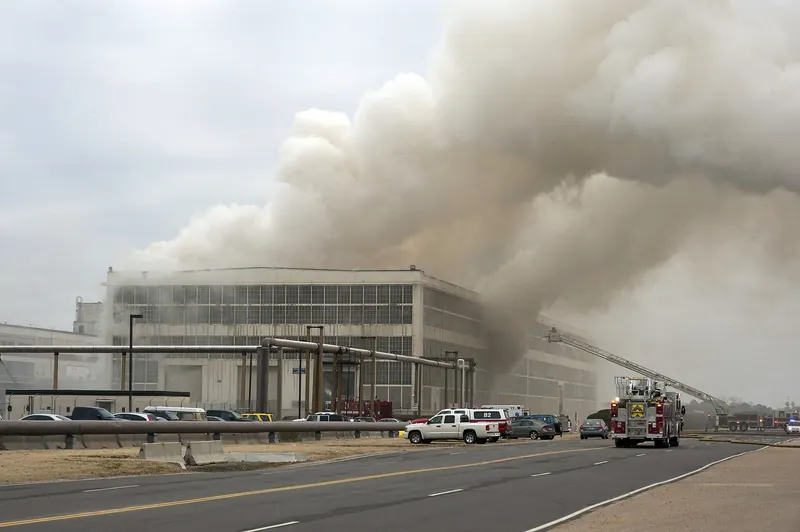
An explosion and fire occurred at Valero's Port Arthur refinery on the evening of Monday, March 23, 2026. Residents reported windows shaking from the blast. A shelter-in-place order was issued for residents on the west side of Port Arthur and was lifted after 5:30 a.m. the next morning. Port Arthur Mayor Charlotte Moses said there were no fatalities or injuries, and the refinery said all personnel were accounted for (CBS News).
The Texas Commission on Environmental Quality (TCEQ) deployed air monitoring equipment. According to TCEQ's final air emissions report, as reported by KFDM, the incident originated in the refinery's Diesel Hydrotreater unit and the emissions event lasted 244 hours and 35 minutes, from 6:25 p.m. on March 23 to 11 p.m. on April 2. More than 157,000 pounds of emissions were released from 28 points across the facility. The report states a full investigation into the exact cause was ongoing.
No official count of damaged homes or businesses outside the refinery was found in the sources reviewed.
Official incident information
- Date: March 23, 2026 (emissions event through April 2, 2026)
- Location: Valero Port Arthur refinery, Port Arthur
- Unit involved: Diesel Hydrotreater (TCEQ)
- Public protective action: Shelter-in-place for west Port Arthur, lifted the morning of March 24
- Injuries: None reported (City of Port Arthur mayor)
- Cause: Under investigation
Property Insurance Considerations After a Smoke or Fire Event
Being near a fire or explosion does not mean a property has a covered claim. Whether any loss is covered depends on the policy language and the facts of what happened to the specific property. Owners and tenants of nearby buildings often find it useful to document conditions early:
- Photograph and video the exterior and interior, including windows, doors, ceilings and any visible cracks or debris, before cleanup begins.
- Note any smoke odor or soot on walls, ceilings, HVAC vents and filters, and contents.
- Keep receipts for temporary lodging, meals and other additional costs if you could not stay in the property.
- For businesses, keep records of closure dates, lost sales and extra expenses.
- Request a copy of your full policy, including endorsements, and report the loss to your insurer promptly.
For more on how these claims work, see smoke damage claims, fire damage claims, commercial smoke damage claims and smoke-damaged contents.